Resource Categories
Our learning resources are organized into clear categories so you can find relevant materials quickly.
Seasonal Observation Guides
Detailed guides for each Canadian season covering what to observe in the forest, how natural patterns shift, and what changes to look for in plant life, animal behaviour, light, and soil conditions throughout the year.

Tree Identification
Reference materials for recognizing common Canadian tree species by bark, leaf shape, silhouette, and seasonal appearance. Covers boreal, temperate, and mixed forest regions.
Trail Preparation Checklists
Practical checklists to help you prepare for time outdoors. Covers clothing, hydration, navigation tools, weather checks, personal safety items, and responsible packing for different seasons.
Wildlife Awareness
Educational materials on maintaining respectful distance from wildlife, reading animal signs, understanding animal behaviour patterns, and protecting habitats during outdoor visits.
Conservation Basics
Resources explaining low-impact habits, waste management on trails, water source protection, and general principles for preserving forest environments for future generations.
Seasonal Forest Guides
Canadian forests change dramatically throughout the year. Each season offers unique learning opportunities and observation points.
Spring Awakening Guide
Observe the forest emerging from winter. Learn to spot early budding patterns, returning bird species, snowmelt effects on soil, the first wildflowers, and changes in daylight that trigger forest renewal.
- Bud identification on deciduous trees
- Snowmelt and water flow observation
- Early season trail condition awareness
- Migratory bird return patterns
Summer Canopy Guide
Study the forest at its fullest expression. Examine canopy structure, ground cover diversity, insect activity, water sources, understory growth, and how extended daylight shapes the forest floor.
- Canopy layers and light penetration
- Wildflower and fern identification
- Hydration and heat awareness tips
- Insect observation and respect
Autumn Transition Guide
Witness the forest preparing for winter. Understand leaf colour changes, seed dispersal, animal food-storage behaviours, shortened daylight effects, and how the forest floor transforms as the canopy opens up.
- Leaf colour science and observation
- Seed and nut identification
- Layered clothing preparation
- Fungi observation basics
Winter Forest Guide
Discover the forest in its quietest form. Learn to read animal tracks in snow, identify trees by bark and silhouette alone, notice evergreen strategies, and understand how forests endure harsh Canadian winters.
- Snow track identification
- Bark and silhouette tree recognition
- Cold-weather preparation checklist
- Evergreen adaptation observation
Preparation Checklists
Well-organized checklists help you plan your outdoor learning sessions. Each list covers essential items and steps relevant to different types of forest visits and seasonal conditions across Canada.
Day Visit Packing List
Essential items for a day-long forest visit: water bottle, weather-appropriate layers, notebook, trail map, phone with charged battery, sunscreen, and a small first-aid kit.
Weather Check Routine
Step-by-step process for checking weather conditions before heading outdoors. Covers temperature, precipitation, wind, UV index, and how to adjust plans based on forecasts.
Route Planning Guide
How to plan a safe and productive route for forest observation walks. Includes tips on estimating time, marking waypoints, informing others, and choosing appropriate difficulty levels.
Family Outing Preparation
A family-focused checklist covering snacks, comfortable footwear for children, simple observation activities, shade and rest planning, and age-appropriate safety discussions before leaving home.
Observation Exercises
Structured exercises to sharpen your ability to notice, record, and understand the natural details around you in any forest setting.
The Five-Minute Sit
Find a comfortable spot in a forest area and sit quietly for five minutes. Note every sound you hear, every movement you see, and any smells you detect. Write them down in a notebook. This exercise trains your senses to slow down and notice what you normally overlook.
Bark Sketch Journal
Choose three different trees along a trail and sketch their bark patterns closely. Note the colour, texture, and any moss or lichen present. Over time, this builds a personal reference for tree identification without disturbing any bark.
Weather Pattern Log
Before and during each outdoor visit, record the sky condition, wind direction, temperature, and any changes you observe. After several entries, you will begin to see patterns and develop intuitive weather reading skills relevant to your region.
Sound Mapping
Draw a simple circle on a page representing your position. As you hear sounds around you, mark their approximate direction and distance on the map. Label each with a brief description. This deepens spatial awareness and connection to the forest soundscape.
Seasonal Comparison
Visit the same spot in the forest once each season and photograph or sketch it from the same angle. Compare your records over the year. This long-term exercise reveals the full cycle of forest life and builds a lasting understanding of seasonal rhythms.
Environmental Responsibility
Core principles for responsible forest visits. These guidelines apply to every outdoor experience, regardless of location or season.
Pack It In, Pack It Out
Every item you bring into the forest should leave with you. Carry a small bag for waste, including food scraps, wrappers, and any litter you may find along the trail.
Stay on Marked Trails
Walking off-trail can damage fragile ground cover, disturb wildlife habitats, and accelerate erosion. Following marked routes helps keep forests healthy and accessible.
Respect Wildlife Distance
Observe animals from a distance that does not alter their behaviour. Never feed, follow, or approach wildlife. Use binoculars or a camera zoom for a closer view without intrusion.
Protect Water Sources
Avoid washing anything in natural water sources. Keep a minimum distance from streams and lakes when preparing food or setting up rest areas. Small actions prevent contamination of critical habitats.
Minimize Noise
Keep noise levels low to avoid disturbing wildlife and other visitors. Quiet observation also increases your chances of noticing more of the natural world around you.
Leave What You Find
Rocks, plants, flowers, and natural objects should remain where they are. Taking items from the forest disrupts ecosystems and removes important resources for wildlife.
Further Learning Topics
Explore additional subjects that deepen your forest education. These topics are covered across our programs and supplementary materials.
Fungi and Lichens
Learn about the role fungi and lichens play in forest ecosystems, decomposition, and soil health.
Bird Awareness
Recognize common Canadian forest birds by sight and sound. Study seasonal migration and nesting behaviours.
Soil and Geology
Understand soil layers, rock types, and how geological history shapes the forests you walk through today.
Basic Navigation
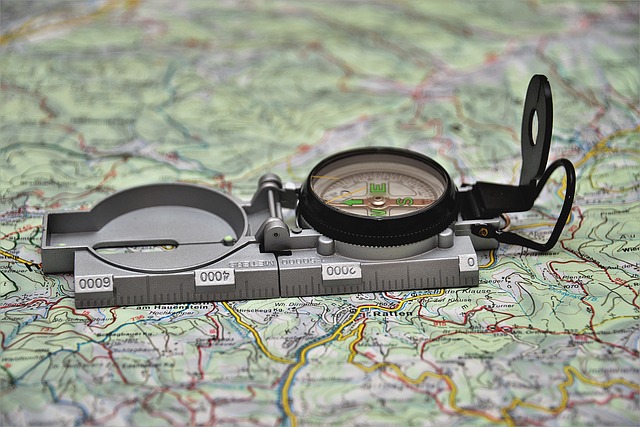
Introduction to map reading, compass use, and orientation techniques for safe and confident forest exploration.
Educational Materials Disclaimer
All learning resources, checklists, observation exercises, and guides provided on this page are for educational and informational purposes only. They do not guarantee safety outcomes, survival skills, health benefits, or risk-free outdoor activity. Participants remain responsible for their own outdoor decisions, physical limits, local regulations, weather checks, route choices, equipment, and safety planning. For full details, see our Outdoor Education Disclaimer.
Ready to Go Deeper?
Our structured forest education programs combine these resources into guided learning pathways with weekly lessons, exercises, and completion certificates.